



You Deserve Justice. We’re Here to Help You Find It.
If you’re reading this page, you’ve already taken one of the hardest steps—acknowledging what happened and looking for answers. That takes courage.
Childhood sexual abuse creates wounds that don’t always show on the surface. The trauma can affect your relationships, your sense of safety, your mental health, and your ability to trust. You might have carried this burden alone for years, unsure whether you could speak up or whether anyone would believe you.
We hear you. And Virginia law now gives you more time to seek justice than ever before.
At MartinWren, P.C., we’ve stood beside survivors in the courtroom and helped them achieve justice.
Just as importantly, we help survivors pursue accountability and access resources that support healing.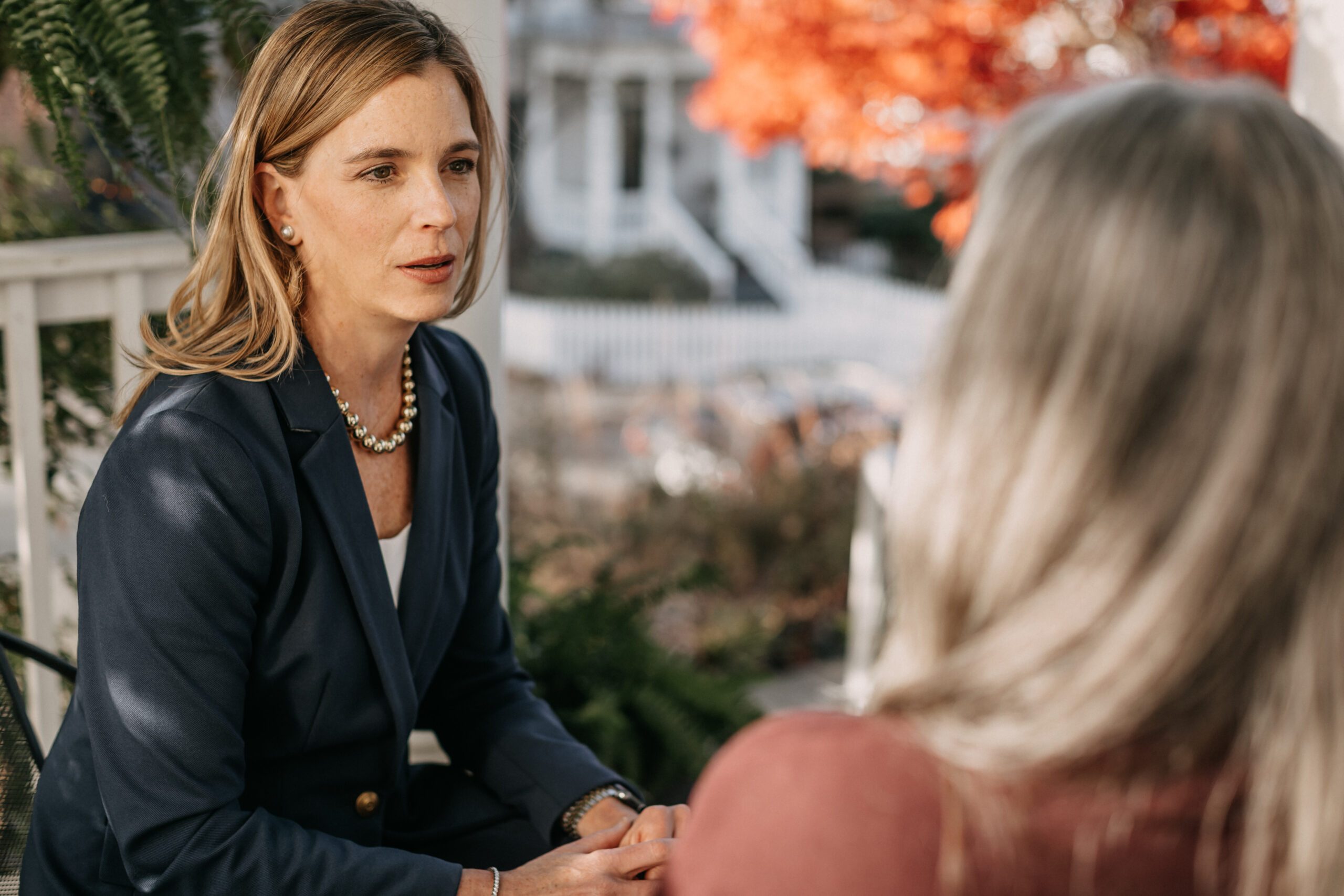
Led by former sex-crimes prosecutor Lauren Byrne, we understand how the legal system works, and we understand how to handle these cases with the sensitivity and confidentiality they deserve.
Your conversation with us is completely private. You won’t owe any legal fees unless we recover compensation for you. And you’re under no obligation to proceed—we’re here to give you information so you can make the choice that’s right for you.
For a legal consultation with a personal injury lawyer, call (434) 817-3100
Quick Answer: Can I Still File a Civil Claim for Childhood Sexual Abuse in Virginia?
Yes—Virginia now gives survivors significantly more time to pursue justice.
If you experienced sexual abuse as a minor, then, under Virginia Code § 8.01-243(D), you have 20 years to file a civil lawsuit from whichever date comes later:
- Your 18th birthday, OR
- The date you discover (or reasonably should have discovered) the connection between the abuse and the harm it caused you
This means:
- If you’re 35 years old and were abused at age 10, you likely still have time to file
- If you only recently connected your anxiety, depression, or relationship struggles to childhood abuse, the clock may have just started
- Even if decades have passed, you may still have legal options
NOTE: if the sexual abuse occurred when you became an adult, the statute of limitations is ten years, per Va. Code sec. 8.01-243(E).
Important: Statute of limitations calculations are complex and depend on your specific circumstances. Don’t make assumptions about whether you’ve run out of time—call us for a free, confidential review of your situation.
📞 Call us or complete our confidential case evaluation form below.
For a deeper analysis of applicable statutes of limitations, please visit our article Statute of Limitations for Child Sexual Abuse in Virginia.
Understanding Virginia’s Protections for Survivors
The Law Changed to Help Survivors Come Forward
For many years, Virginia’s laws made it extremely difficult for survivors to seek justice. Victims had to file claims within just two years of turning 18—which meant that by age 20, their legal rights expired.
Lawmakers recognized this was unfair. Childhood sexual abuse often creates psychological barriers that prevent survivors from coming forward immediately. Shame, fear, denial, trauma, and manipulation by abusers can silence victims for decades.
Virginia’s General Assembly expanded these time limits specifically to give survivors a real chance at justice.
Now, survivors have 20 years from the time they turn 18 years old.
And, they may have more time than that.
The “Discovery Rule”: When the Clock May Start
Here’s what makes Virginia’s current law so important: the 20-year deadline can start from when you connect the dots between the abuse and your current struggles.
Many survivors experience:
- Depression or anxiety
- Difficulty with intimate relationships
- Trust issues
- Post-traumatic stress disorder (PTSD)
- Substance abuse problems
- Self-harm or suicidal thoughts
You might have lived with these issues for years without understanding why you felt this way. When you finally make the connection—often through therapy, a triggering event, or simply the passage of time—that’s when the discovery rule clock may begin.
Example: You were abused by a teacher at age 12. You suppressed the memories and struggled with relationships throughout your twenties. At age 32, you enter therapy and finally connect your relationship difficulties to the childhood abuse. In some cases, courts have found that the 20-year period begins when a survivor first reasonably connects the abuse to the harm suffered. Whether that applies depends on the facts. In that scenario, your 20-year window may have just started—giving you until age 52 to file a claim.
This is complex legal territory. The calculation depends on many factors unique to your situation. That’s why it’s critical to speak with an attorney who understands these cases—don’t assume you’ve missed your window.
Virginia Child Sexual Abuse Lawyer Near Me (434) 817-3100
Who Can Be Held Accountable? Beyond the Abuser
Many survivors assume they can only sue the person who abused them. While you can certainly pursue claims against the abuser directly, Virginia law also allows claims against institutions and individuals who enabled or failed to stop the abuse.
The Cases We Take: Our Selection Criteria
At MartinWren, P.C., we primarily focus on cases involving institutional responsibility and failure to protect. We look for situations where:
1. Custodial Relationships Existed
The institution had responsibility for the child’s safety and well-being:
- Schools
- Churches and religious organizations
- Youth sports programs and athletic organizations
- Boy Scouts, Girl Scouts, and similar groups
- Daycare centers and childcare facilities
- Foster care and group homes
- Summer camps and recreational programs
- Hospitals and treatment facilities
2. The Institution Knew or Should Have Known
Evidence suggests the organization:
- Received prior complaints about the abuser
- Ignored warning signs or red flags
- Had reason to suspect inappropriate behavior
- Failed to conduct proper background checks
- Knew of previous misconduct with other children
3. The Institution Failed to Implement Reasonable Safeguards
The organization didn’t take steps that could have prevented the abuse:
- No supervision policies for one-on-one interactions with children
- Inadequate screening of employees or volunteers
- Failure to train staff to recognize and report abuse
- No system for handling complaints
- Policies that prioritized the institution’s reputation over children’s safety
4. Third Parties Knowingly or Carelessly Enabled the Abuse
Individuals outside the institution who facilitated access to victims or covered up abuse:
- Family members who knew about the abuse but failed to protect the child
- Spouses or partners of abusers who knowingly exposed children to danger
- Authority figures who helped conceal the abuse
Real Cases: Holding Institutions Accountable
We’ve represented survivors in cases against:
Catholic Church: We’ve pursued claims where church officials knew about a priest’s history of abuse but transferred him to new parishes rather than removing him from ministry—giving him continued access to children.
Enablers in Positions of Trust: In one case, we represented a survivor whose abuser’s wife knowingly arranged for our client to spend time with her husband—even after he had been arrested and was awaiting trial for sexually abusing other children. This kind of reckless endangerment is exactly the type of case we take to trial when necessary.
Schools: Some private schools in particular look the other way when abuse is occurring.
In the cases we handle, institutions had the authority and responsibility to protect children and failed to do so. We hold them accountable.
Our Trial-Tested Approach: We Go the Distance
Many law firms will talk about handling child sexual abuse cases. Few have actually taken these cases before a Virginia jury.
We’re one of the few firms in Virginia with trial experience in childhood sexual abuse cases. We’ve stood in courtrooms and fought for survivors when institutions refused to accept responsibility.
Why Trial Experience Matters
Most cases settle before trial—but insurance companies and institutional defendants only offer fair settlements when they know you have attorneys willing and able to take the case to a jury if necessary.
Our trial experience means:
- We know how to build a case that can win at trial—not just settle cheaply
- Defendants take our cases seriously because they know we won’t back down
- We’re not afraid of complex legal battles against well-funded institutional defendants
- We understand the evidence needed to prove institutional knowledge and failure to protect
How We Handle These Cases Differently
1. We Put Your Well-being First
These cases can be retraumatizing. We take special steps to minimize your stress:
- Coordinating with your therapist or counselor (with your permission)
- Limiting depositions and interviews when possible
- Preparing you thoroughly for any testimony
- Shielding you from unnecessary contact with defendants
- Using pseudonyms in court filings when appropriate to protect your identity
2. We Work with Experts Who Understand Trauma
We collaborate with:
- Psychologists and psychiatrists who specialize in childhood sexual abuse
- Trauma therapists who can document long-term harm
- Investigators who uncover institutional records and patterns of abuse
- Medical experts who connect physical injuries to the abuse
3. We Build the Timeline of Institutional Failure
The strongest cases don’t just prove the abuse occurred—they prove the institution knew or should have known and failed to act. We dig deep to find:
- Prior complaints or allegations against the abuser
- Personnel files showing disciplinary history
- Communications showing officials ignored warning signs
- Policies (or lack thereof) regarding child protection
- Patterns of abuse with other victims
4. We Preserve Your Confidentiality
Your privacy matters. These cases can proceed under seal or with protective orders to keep your identity confidential. We discuss all of your options for maintaining privacy while still pursuing justice.
Click to contact personal injury lawyers today
What Compensation Can You Recover?
Virginia law recognizes that childhood sexual abuse causes devastating, long-lasting harm. Survivors may be entitled to compensation for:
Economic Damages
- Medical expenses: Past and future therapy, counseling, psychiatric care, and hospitalization
- Lost wages: Income you’ve lost due to the psychological effects of abuse
- Reduced earning capacity: If the trauma has affected your ability to work or advance in your career
Non-Economic Damages
- Pain and suffering: The physical and emotional anguish caused by the abuse
- Mental anguish: Anxiety, depression, PTSD, and other psychological injuries
- Loss of enjoyment of life: The ways abuse has robbed you of normal relationships and experiences
- Loss of consortium: If the abuse has affected your marriage or family relationships
In cases involving particularly egregious conduct—such as institutions that knowingly covered up abuse or enabled predators—punitive damages may also be available to punish the wrongdoer and deter similar conduct.
The Damage Goes Beyond Money
We understand that no amount of money can undo what happened to you. But compensation serves several important purposes:
It holds wrongdoers accountable. Many survivors tell us the most important part is making sure the people and institutions responsible have to answer for what they did.
It provides resources for healing. Quality trauma therapy is expensive and often continues for years. A settlement or verdict can ensure you have access to the treatment you need.
It validates your experience. A legal victory is an official recognition that what happened to you was wrong, that you weren’t to blame, and that you deserved protection.
It can prevent future abuse. When institutions face consequences, they’re forced to implement better policies that protect other children.
Frequently Asked Questions
What if I only recently realized the abuse caused my current problems?
This is exactly why Virginia created the “discovery rule.” If you only recently connected your psychological struggles—depression, anxiety, relationship issues, PTSD—to childhood abuse, your 20-year window may have just started. The law recognizes that survivors often need years, even decades, to understand the full impact of what happened to them. Call us to discuss your specific timeline.
Can I file a claim if the abuser has died?
Potentially. You may be able to pursue a claim against a deceased abuser’s estate in some cases. You may also be able to pursue claims against institutions and third parties who enabled the abuse. In fact, many of our institutional cases proceed even when the original abuser is deceased. The institution’s responsibility doesn’t end with the perpetrator’s death.
Will I have to testify in court?
Not necessarily. Most cases settle before trial. If your case does go to trial, we’ll prepare you thoroughly for testimony and discuss options for minimizing stress—such as closed courtrooms, protective orders, or limited appearances. We work to structure the process in a way that minimizes retraumatization wherever possible. With your permission, we can coordinate with your therapist so the process is as supportive as possible.
How do you protect my privacy during the legal process?
We take multiple steps to protect your identity:
- Using initials or pseudonyms in public court filings when possible
- Requesting protective orders to seal sensitive records
- Conducting depositions in private settings
- Coordinating media strategy to keep your name out of press coverage
- Working with prosecutors and law enforcement who may already have confidentiality protections in place
Your privacy is a priority throughout the process.
What if the institution says they didn’t know about the abuse?
This is the most common defense. That’s why we conduct extensive discovery to uncover:
- Internal emails and communications showing awareness
- Personnel files revealing prior complaints
- Testimony from other victims showing a pattern
- Expert testimony about “red flags” the institution should have recognized
Even if an institution claims ignorance, we can often prove they should have known based on industry standards for child protection and the warning signs they ignored.
Can I sue a school or church for child sexual abuse in Virginia?
Yes. Virginia law allows claims against schools, churches, and other institutions that had custodial responsibility for children. These claims typically proceed on theories of:
- Negligent hiring (failing to properly screen employees/volunteers)
- Negligent retention (keeping an employee after learning of misconduct)
- Negligent entrustment of an activity
- Simple negligence
What about mandatory reporters who didn’t report the abuse?
Virginia has mandatory reporting laws requiring certain professionals—teachers, counselors, doctors, clergy in some circumstances—to report suspected child abuse. If a mandatory reporter failed to report abuse they knew about or should have suspected, this can strengthen your case and may create additional theories of recovery. It shows the system designed to protect you failed.
Do I have to report the abuse to police to file a civil case?
No. Civil cases and criminal cases are separate. You can file a civil lawsuit even if:
- You never reported to police
- Police investigated but didn’t file charges
- The abuser was acquitted in criminal court
- The statute of limitations for criminal prosecution has expired
Civil cases have a lower burden of proof (“more likely than not”) than criminal cases (“beyond a reasonable doubt”). Many civil cases succeed even when criminal cases did not.
How long does a child sexual abuse case take?
These cases typically take 1-3 years from filing to resolution, though complex institutional cases can take longer. The timeline depends on:
- How cooperative the defendants are with discovery
- Whether the case settles or goes to trial
- The court’s calendar and scheduling
- The complexity of proving institutional knowledge
We’ll give you realistic expectations about timing during your consultation.
What if I can’t afford a lawyer?
You don’t need any money upfront to hire us. We handle these cases on a contingency fee basis—we only get paid if we recover compensation for you. If we don’t win, you don’t owe us attorney’s fees. We also advance all case expenses (expert witnesses, court costs, investigation fees), so you’re not out of pocket for anything.
Complete a Case Evaluation form now
Taking the Next Step: You’re Not Alone
If you’re still reading, you’re probably wondering whether you should call. You might be thinking:
- “Is my case strong enough?”
- “What if I can’t remember all the details?”
- “Will anyone believe me?”
- “Is it worth reliving this trauma?”
These are valid questions. Here’s what we can tell you:
Every case starts with a conversation. That conversation is completely confidential. You’re under no obligation to move forward. We’ll listen to your story, explain your legal options, and let you decide what’s right for you.
You don’t need to have all the answers. Memory gaps are normal with trauma. We’ve handled cases where survivors couldn’t remember every detail. What matters is what you do remember and what evidence we can uncover to support your account.
We will listen carefully and take your experience seriously. We’ve heard these stories before. We understand how abuse happens, why it takes time to come forward, and why institutions try to deny responsibility. We believe survivors, and we’re prepared to fight for you.
Healing isn’t linear. Some survivors find the legal process empowering—a way to reclaim control and hold wrongdoers accountable. Others find it difficult but ultimately worth it. There’s no “right” way to heal. We support you wherever you are in that journey.
What Happens When You Call
- Confidential intake: You’ll speak confidentially with a compassionate member of our team
- Your story, your pace: We’ll ask questions to understand what happened, but you control how much you share
- Legal assessment: We’ll explain whether you have a viable case and what the process would involve
- Your decision: You decide whether to proceed. No pressure. No judgment.
You Deserve Justice
Nothing we can do will erase what happened to you. But we can:
- Make sure the people and institutions responsible are held accountable
- Secure compensation to help you access the therapy and support you need
- Validate your experience and fight for your voice to be heard
- Help prevent this from happening to other children
You’ve already survived the worst. Now it’s time to let someone else shoulder the legal burden while you focus on healing.
Call MartinWren, P.C. for a free, confidential consultation with our Virginia child sexual abuse attorneys.
You can also complete the confidential case evaluation form below, and we’ll reach out to you privately.
Attorney Lauren M. Byrne is an experienced advocate for sexual abuse survivors. She has handled institutional claims and is frequently called upon to teach other attorneys about handling sexual abuse claims.
You are not alone. We’re here to help.
Call (434) 817-3100 or complete a Case Evaluation form